

PRODUCT DETAILS
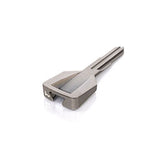
Hybrid Racing Timing Chain Tensioner - Honda/Acura K-Series
Running aftermarket cams in your K-series? The factory timing chain tensioner is the part most likely to end your motor. Its ratchet teeth are soft, and once they wear, the tensioner stops holding tension. The chain goes slack, skips a tooth on the cam gear, and your valves meet your pistons. We designed ours from scratch with hardened tool steel ratchet teeth and a heat-treated chromoly piston, built specifically for the loads aggressive cams and high rpm put through a K-series valvetrain.
What A Failing Timing Chain Tensioner Sounds Like
Worth knowing what you're listening for, because catching this early is the difference between a cheap part and a rebuilt engine.
The classic sign is rattle on cold start, a brief clattering from the timing cover area for a second or two before oil pressure builds. That's the tensioner failing to hold the chain tight while it's unpressurized. If it goes away as the engine warms, that's your early warning, and it's the one people ignore longest.
From there it progresses to a constant rattle or whine from the front of the engine that doesn't quiet down, and eventually to noise that changes with rpm as the slack chain whips against the guides. Some cars will throw a cam or crank correlation code once timing starts drifting, which means the chain has already moved.
Here's the part that matters most: by the time you can clearly hear it, the tensioner is already worn and the chain is already slack. You're not on borrowed time so much as gambling. Bent valves cost dramatically more than a tensioner does.
Why The Factory Tensioner Fails With Aftermarket Cams
The factory tensioner uses a ratchet mechanism to keep tension on the chain. Install cams with fast ramp rates and your valvetrain loads climb, which makes the timing chain whip harder. That extra load wears down the soft factory ratchet teeth. Once they're worn, the ratchet slips, the tensioner can't hold tension, and you're on the path described above.
Some companies sell "upgraded" tensioners that are really just factory tensioners with a stiffer spring. That doesn't fix anything. The teeth still wear out, and the stiffer spring actually makes your chain stretch faster. We designed ours around the actual failure rather than putting a band-aid on it.
Hardened Tool Steel Ratchet Teeth
Our ratchet teeth are hardened tool steel, the same material used in high-end impact wrench ratchets. It's far harder than the factory teeth, so it resists wear even under aggressive cams. The dual-ratchet design meshes with a heat-treated chromoly piston that's likewise much harder than the factory piece. Neither wears down the way the OEM parts do, so the tensioner keeps holding proper chain tension years into hard use.
Tighter Piston Fit Prevents Misalignment
Our piston fits tighter into the timing chain guide than the factory piston does, and that matters more than it sounds. The factory piston has enough slop to let the ratchet mechanism misalign slightly, which causes uneven wear on the teeth and accelerates the failure. Tighter tolerances eliminate that.
Optimized Oil Passages For High RPM
The internal oil passages are designed to respond to pressure changes faster than the factory unit. When you rev quickly, oil pressure spikes and the tensioner needs to react immediately. The factory passages are restrictive, so it responds slowly. Ours flow more oil faster, which means the tensioner keeps up when you're revving hard or shifting at high rpm.
Built From Scratch, Not Rebuilt
This isn't a factory tensioner with upgraded parts pressed into it. Every component is designed and machined specifically for this application. We've tested it for years in race motors that get abused constantly, and it holds up where factory tensioners give out. We run these in our own race cars and in customer builds because we know what they do.
If you want the longer version of why the OEM part is the weak link, we wrote it up here.
Who Needs One
Two groups, and the first isn't optional.
Running aftermarket cams: install this before you install the cams. Don't wait for the factory tensioner to tell you it's done, because the way it tells you is expensive.
Revving past 8,500 rpm regularly on stock cams: upgrade it. The factory tensioner is fine for stock power at stock rpm, and it isn't designed for sustained high-rpm abuse.
What You Get
- Hybrid Racing timing chain tensioner
- Hardened tool steel dual-ratchet teeth
- Heat-treated chromoly piston
- Tighter piston fit for proper alignment
- Optimized internal oil passages
- All mounting hardware included
Fitment
- 2002-2006 Acura RSX (K20A2, K20A3, K20Z1)
- 2004-2008 Acura TSX (K24A2)
- 2003-2007 Honda Accord (K24A4, K24A8)
- 2002-2011 Honda Civic Si (K20A3, K20Z3)
- 2002-2006 Honda CR-V (K24A1)
- 2003-2011 Honda Element (K24A4, K24A8)
Covers K20A2, K20A3, K20Z1, K20Z3, K24A1, K24A2, K24A4, and K24A8.
Fits: Honda/Acura K-series, see the application list above. Ratchet teeth: hardened tool steel, dual-ratchet design. Piston: heat-treated chromoly, tighter fit than OEM. Oil passages: optimized for faster response at high rpm. Includes: all mounting hardware. Recommended for: aftermarket cams or sustained operation above 8,500 rpm.
- 2002-2006 Acura RSX (Base, Type-S)
- 2004-2008 Acura TSX
- 2003-2007 Honda Accord (4-cylinder)
- 2006-2011 Honda Civic Si
- 2002-2006 Honda CR-V
- 2003-2011 Honda Element
Fits K swaps using K20A, K20Z, or K24A series engines in other chassis.
| Material - Ratchet Teeth | Hardened tool steel |
| Material - Piston | Heat-treated chromoly steel |
| Ratchet Design | Dual-ratchet |
| Piston Fit | Tight-tolerance (tighter than OEM) |
| Oil Passage Design | High-flow, optimized for high-RPM response |
| Compatible Engine Family | Honda/Acura K20A, K20Z, K24A |
| OEM Replacement | Yes - direct fit, no modification required |
| Hardware Included | Yes - mounting bolts and retaining screw |
(1) Hybrid Racing Timing Chain Tensioner
(2) Mounting Bolts
(1) Retaining Screw