ERIC KUTIL
Earned
Eric Kutil doesn't just drive on Hybrid Racing parts, he wins on them. The 2020 GRIDLIFE Touring Cup Champion and perennial title contender, Eric's K24-swapped #82 Civic EG has been wheel-to-wheel tested at tracks across the country. Here's what the build looks like from the inside.
RACE WINNING COMBO
Competition cars are built to work under pressure. Every system matters. Here's a closer look at what keeps this car running up front.
Hybrid Racing Shifter & Cables
Hybrid Racing drivetrain parts are built for the kind of stress only the racetrack creates. Hard driving, aggressive shifts, and constant heat cycles demand precise manufacturing and durable materials that keep the system tight and consistent. When the drivetrain works the same every lap, drivers can focus on driving instead of worrying about missed shifts or worn components.

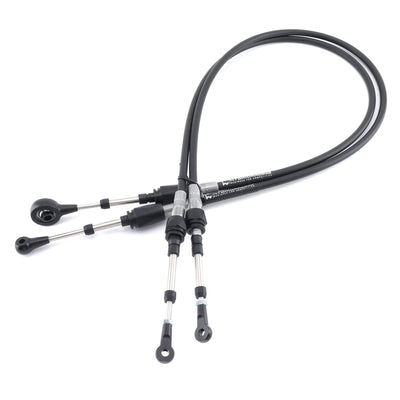
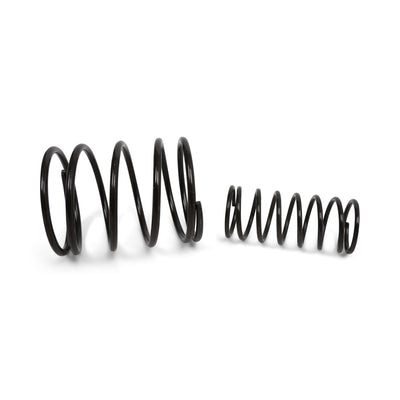
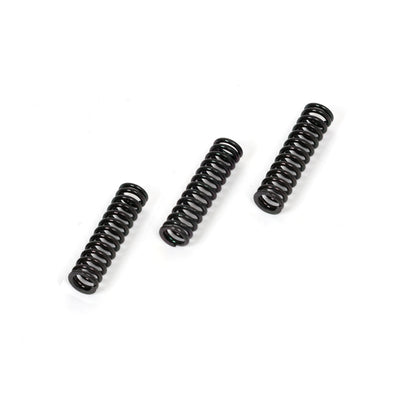

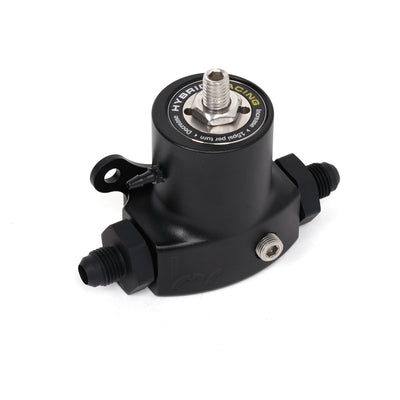
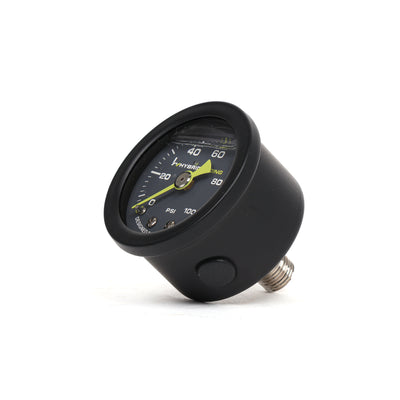
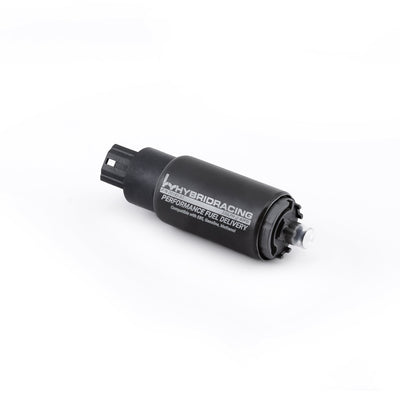
Hybrid Racing Fuel Systems
On the racetrack, your fuel system must deliver stable pressure and consistent flow through long corners, high RPM, and constant throttle changes. Hybrid Racing fuel system parts are designed to keep fuel delivery steady, so the engine performs the same every lap without risking lean conditions or power loss.
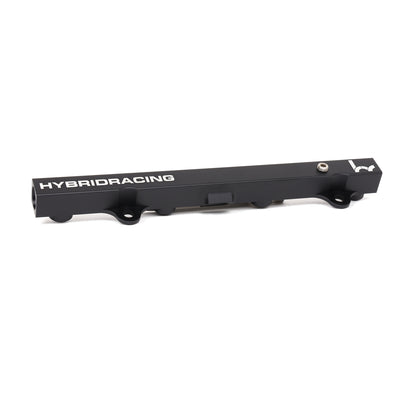

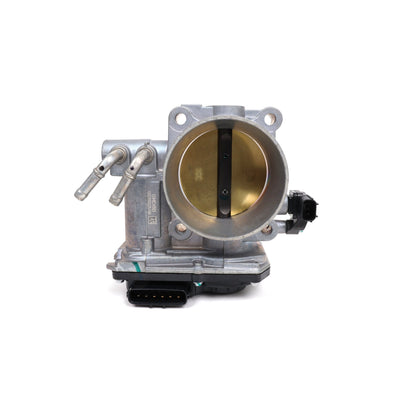
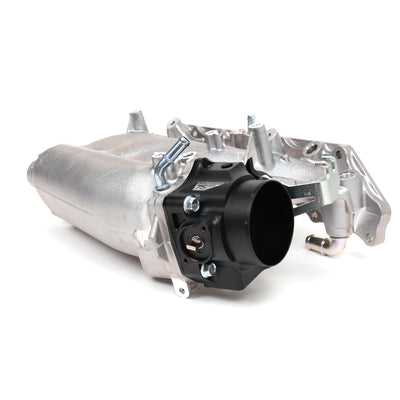
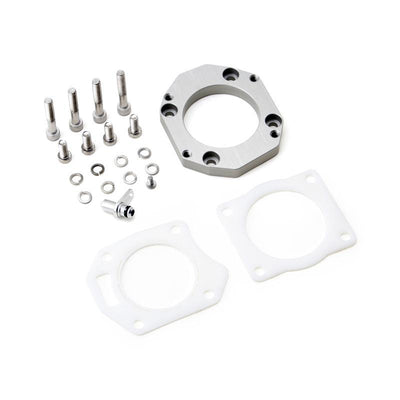
Hybrid Racing Intake Systems
Hybrid Racing throttle bodies and intake systems are designed with larger passages and smooth internal transitions to improve airflow and reduce restriction. The intake routing helps draw in cooler air and maintain consistent temperatures, so the engine delivers predictable power lap after lap.

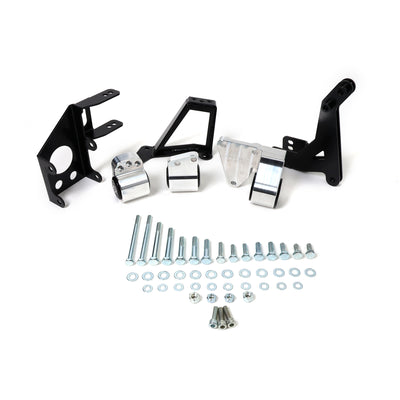
Hasport Engine Mounts
Hasport K-Swap engine mounts are designed to securely locate the engine and transmission while controlling movement under acceleration, braking, and cornering. Their rigid construction and performance bushings reduce drivetrain flex, helping deliver power more directly to the wheels and keeping the drivetrain consistent on track.

DC Sports K-Swap Header
The DC Sports K-swap exhaust header uses durable stainless-steel construction and carefully designed runners to promote efficient exhaust flow. Strong welds and smooth bends help it withstand the heat and vibration of sustained high-RPM track use while keeping engine performance consistent.

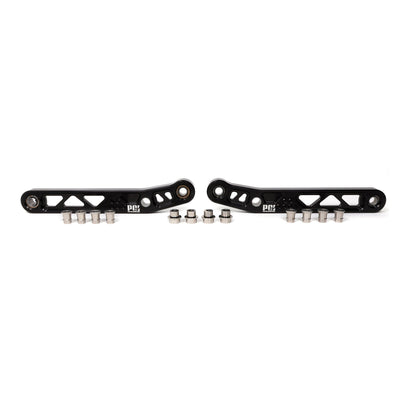
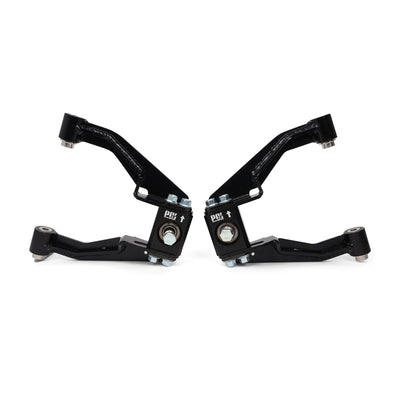
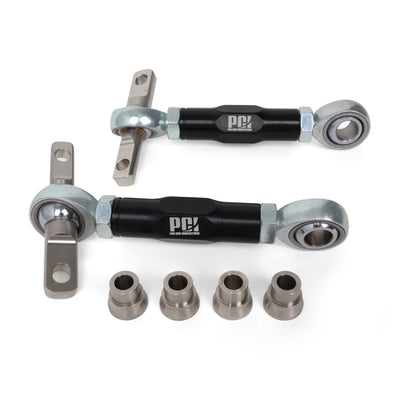
PCI Suspension
PCI Suspension components are built to provide the precision and strength required for serious track driving. Their billet arms, spherical bearings, and reinforced mounting points reduce deflection and allow the suspension to move exactly as intended, giving the Eric more predictable handling and better feedback through the chassis.



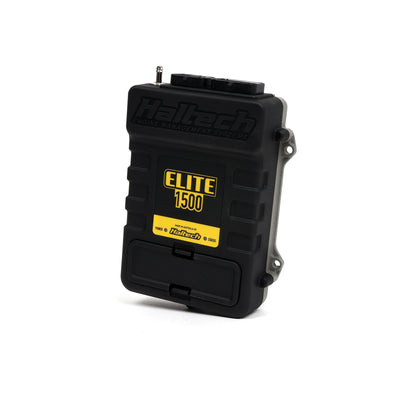
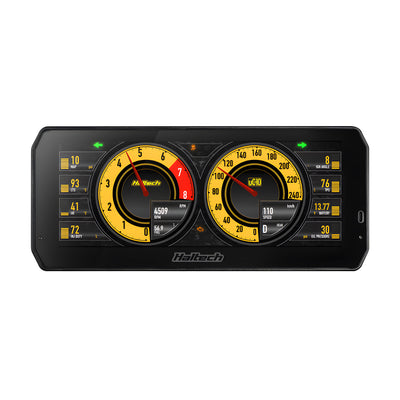
Haltech Electronics Suite
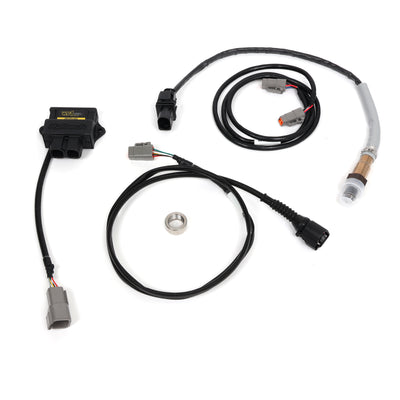
The Haltech electronics suite gives our race car the control and data needed to keep the engine performing consistently on track. With a powerful ECU, digital power distribution, wideband monitoring, and CAN-based display, the system allows precise control over fueling, ignition, throttle, and other critical functions. Just as important, it provides detailed data and diagnostics so the team can monitor the car in real time, adjust quickly, and optimize performance throughout a race weekend.


Eric Kutil
Eric grew up in Queens, New York, hooked on Hondas from the day he watched family friends race Integras and Preludes in SpeedVision Touring Cars. A trip to Lime Rock Park at age 10 sealed it. After relocating to Ohio in 2015, he turned a partially caged EG Civic shell into a full K24-powered race car and entered GRIDLIFE's most competitive class. By 2020, he had 18 podiums, 7 event wins, and the Touring Cup Championship, earning the nickname "Mr. Consistency" for a driving style built on precision and reliability over raw speed.
The #82 car is Eric's workshop as much as it is his race car. He's the one installing the parts, testing setups between sessions, and figuring out what actually holds up when it matters. The build you see on this page is the same one he's been refining for years, and nothing stays on the car unless it works.
EXPLORE THE TRACKS
RACE FILMS & PRODUCT SPOTLIGHTS
BRANDS BEHIND THE #82
Partners and suppliers who keep us competitive


TEAM MERCH
GRIDLIFE TOURING CUP
Everything you need to know about the series, classes, and rules behind the #82's championship campaign.

The Gridlife Touring Cup (GLTC) is a grassroots-to-pro road racing series that runs alongside Gridlife festival events across North America. It brings together weekend warriors, amateur builders, and semi-professional drivers in a format that rewards consistency, car preparation, and clean racing.
The series runs a multi-round championship calendar at tracks like Road Atlanta, Lime Rock Park, Gingerman Raceway, Watkins Glen, and Laguna Seca. Points are awarded at each round and accumulate toward the season championship.

The Gridlife Touring Cup uses a tiered class system based on vehicle modifications, power-to-weight ratio, and tire compound. This keeps racing close and competitive across a wide spectrum of builds, from lightly modified street cars to purpose-built race machines.
| Class | Description | Typical Cars | Tire Rule |
|---|---|---|---|
| Street | Minimally modified, mostly stock vehicles. Entry-level class for new racers. | Miata, Civic Si, BRZ/86, Focus ST | 200tw min. |
| Sport | Moderate bolt-on modifications. Suspension, intake, exhaust, and basic engine work allowed. | RSX, Integra, Civic, S2000 | 200tw min. |
| Super Touring | Heavily modified or engine-swapped builds. Full interior removal, roll cage, race fuel systems. Eric's #82 races here. | EG Civic, EK Civic, CRX, Integra | 100tw min. |
| Touring | Purpose-built race cars. Forced induction, aggressive aero, full cage, race slicks. The fastest class in GLTC. | Built Evos, STIs, turbo Hondas, BMWs | Slicks allowed |
How Classification Works
Each car is classified based on a combination of its modification level and performance potential. Gridlife uses a points-based system where specific modifications (engine swap, forced induction, aero, weight reduction) add points. Your total determines your class placement. This prevents sandbagging and keeps the grids competitive.

GLTC follows a straightforward points-based championship format. Each round awards points based on finishing position within your class, with bonus points for qualifying performance and fastest lap.
Points Structure
| Position | Points | Notes |
|---|---|---|
| 1st | 25 | Race winner in class |
| 2nd | 20 | |
| 3rd | 16 | |
| 4th | 13 | |
| 5th | 11 | |
| 6th-10th | 10-6 | Descending by 1 point per position |
| 11th+ | 5-1 | All finishers score |
| Pole Position | +2 | Bonus for fastest qualifier in class |
| Fastest Lap | +1 | Bonus for fastest race lap in class |
Race Format
Each round typically consists of a qualifying session and two or three sprint races. Qualifying sets the grid for Race 1, with subsequent races using a partial or full invert based on results. This keeps the racing unpredictable and rewards racecraft, not just raw pace.
ASK A BUILD EXPERT
Not sure what matches your chassis and goal? Book a free consultation with the Hybrid Racing team. We'll help you plan the right parts for your build.
FOLLOW THE #82 ALL SEASON
Race previews, results, and behind-the-scenes updates from Eric Kutil and the Hybrid Racing Team, straight to your inbox. As a thank you, we'll email you a discount code for your next order. Every purchase helps keep the #82 on the grid.